
Temporary Account What Is It, Examples, How To Close?

If a temporary difference causes pretax book income to be higher than actual taxable income, then a deferred tax liability is created. This is because the company has now earned more revenue in its book than it has recorded on its tax returns. As described in CFI’s income tax overview, the difference in accounting for taxes between financial statements and tax returns creates permanent and temporary differences in tax expense on the income statement. The financial statements will arrive at a tax expense, but the actual tax payable will come from the tax return. This guide will explore the impact of these permanent and temporary differences in tax accounting. At the end of the accounting period, expense accounts are closed and transferred to the income summary account.
Closing the Books
- Temporary accounts, covering revenue, expenses, gains, and losses, undergo closure at the end of each accounting period to determine the net income or loss for that specific period.
- A temporary difference, however, creates a more complex effect on a company’s accounting.
- All of these entries have emptied the revenue, expense, and income summary accounts, and shifted the net profit for the period to the retained earnings account.
- This includes tangible property, such as inventory items, and intangible property, such as stocks.
- At the end of the period, the balances in these accounts are closed and transferred to retained earnings or capital.
- A liability account that reports amounts received in advance of providing goods or services.
If the sales account was not closed, it will be carried over to the next accounting period. Bookkeeping vs. Accounting If the 2020 account was not closed, the balance that would appear at the end of 2021 would be $1,100,000. But we want to measure what occurred in 2021 only, hence the need to close the the previous period’s balance. Tracking the amount of money received for goods and services provided, revenue accounts include interest income and sales accounts.
Is interest expense a temporary account?
By categorizing financial transactions into these types of temporary accounts, businesses can better understand and analyze their financial performance. These accounts provide a clear and organized structure for tracking revenues, expenses, gains, and losses, enabling businesses to make informed decisions based on their financial data. It’s important to note that temporary accounts have a limited lifespan and are closed out at the end of the accounting period to prepare for the next period’s financial reporting. This is achieved through the process of closing entries, which involve transferring the balances of temporary accounts to a permanent equity account called Retained Earnings or an Income Summary account.
Debits and Credits Outline

Accrual accounting will only allow revenue to be recorded when it is earned, but if a company receives an advance payment of rental income, it usually must report this under taxable income on its tax return. Now that you understand the differences between the two temporary and permanent accounts and how to manage them, you can choose the correct account for your business. In a sole proprietorship, a drawing account is maintained to record all withdrawals made by the owner. All drawing accounts are closed to the respective capital accounts at the end of the accounting period.
When Cash Is Debited and Credited
A drawing account, also known as a corporation’s dividend account, is an account used to distribute dividends to company owners. Temporary accounts have a zero balance at the beginning of every accounting year and where its balance is transferred to another account at the end of the accounting year. An asset account in a bank’s general ledger that indicates the amounts owed by borrowers to the bank as of a given date. The accounting term that means an entry will be made on the left side of an account. Accounts Receivable is an net sales asset account and is increased with a debit; Service Revenues is increased with a credit.

Accounting for Temporary Accounts
- The amount reported on the balance sheet is the amount that has not yet been used or expired as of the balance sheet date.
- At the end of the period, this balance is reset to zero as the business prepares for the next accounting cycle.
- However, the corporation must file a federal consolidated tax return, requiring an M-3.
- The balances of permanent accounts, on the other hand, are carried forward for each accounting cycle.
- These accounts track the inflow of money into the company and are essential in assessing a company’s sales performance and profitability.
If a borrower’s VA benefit income is validated by the DU validation service, DU will issue a is interest income a temporary account message indicating the required documentation. Document current receipt of trust income with one month’s bank statement or other equivalent documentation. After determining the supplemental income, the lender must calculate the total qualifying income.
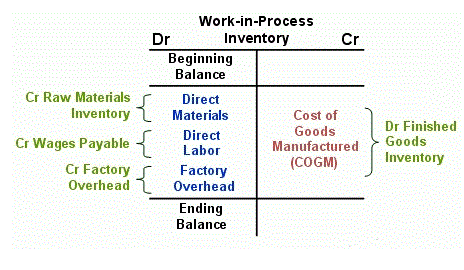
#1 – Revenues and Gains
Accountants learn early on that there are multiple types of accounts classified as assets, liabilities, equity, revenues or expenses. Revenue accounts are a type of temporary account in accounting that record the income generated by a business through its primary operations. These accounts track the inflow of money into the company and are essential in assessing a company’s sales performance and profitability. The purpose of temporary accounts is to capture the financial activities that occur within a specific timeframe, typically a fiscal year or a quarter. These accounts are vital in measuring the profitability and financial performance of a business during a given period.